Lifestyle questionnaires
SaaS web-app Case Study • SUvera
Worldwide, patients with multiple long-term conditions tend to receive worse care than others, including lack of access to services and consultations that are not long enough to cover their conditions. These patients end up receiving fragmented care as a result, with appointments becoming a rush to the finish line. How might we free up clinician time in an appointment by providing a new way for patients to share healthcare information from home?
Product discovery
User testing
User experience
UI design
the problem
Our care team spends the first minutes of each appointment confirming details like smoking status and activity levels. These questions often take longer than allocated, causing delays for other patients. Clinicians expressed frustration with the current process for collecting lifestyle information, especially for patients over 50 with multiple conditions.
The care team at Suvera spent 80-90% of their time creating, or participating in, phone call appointments with patients. As part of this project we explored how we might provide effective and efficient care to patients with multiple conditions by preventing unnecessary calls and focusing reviews on actual conditions.
success metrics
Save time per review by at least a minute
Increase questionnaire completion rate through the web app
“Appointments go over when we have to cover lifestyle. Then we have to rush through the important stuff and I can feel the frustration with patients.”
Ajay patel
Clinical Pharmacist
designing & testing
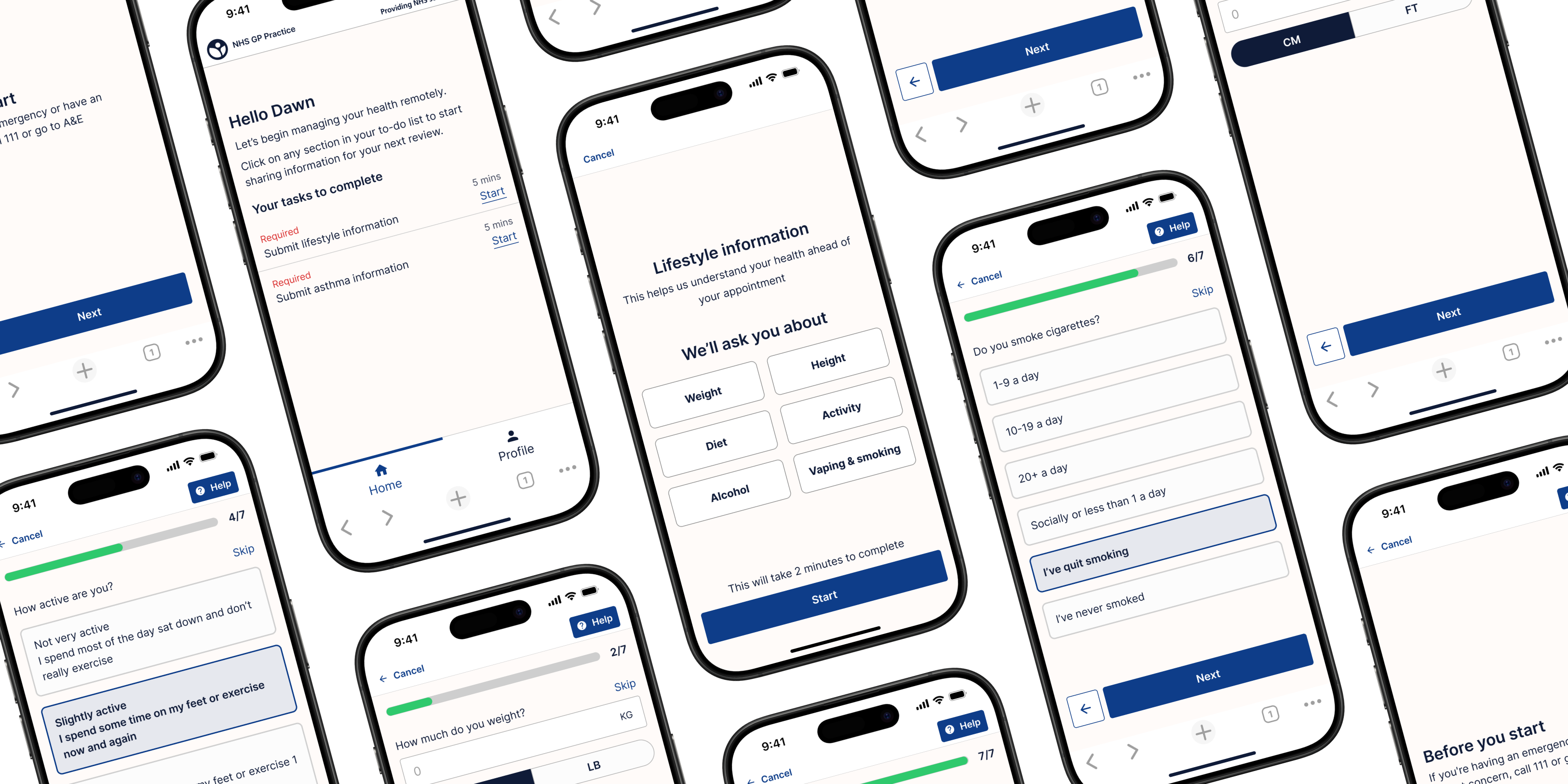
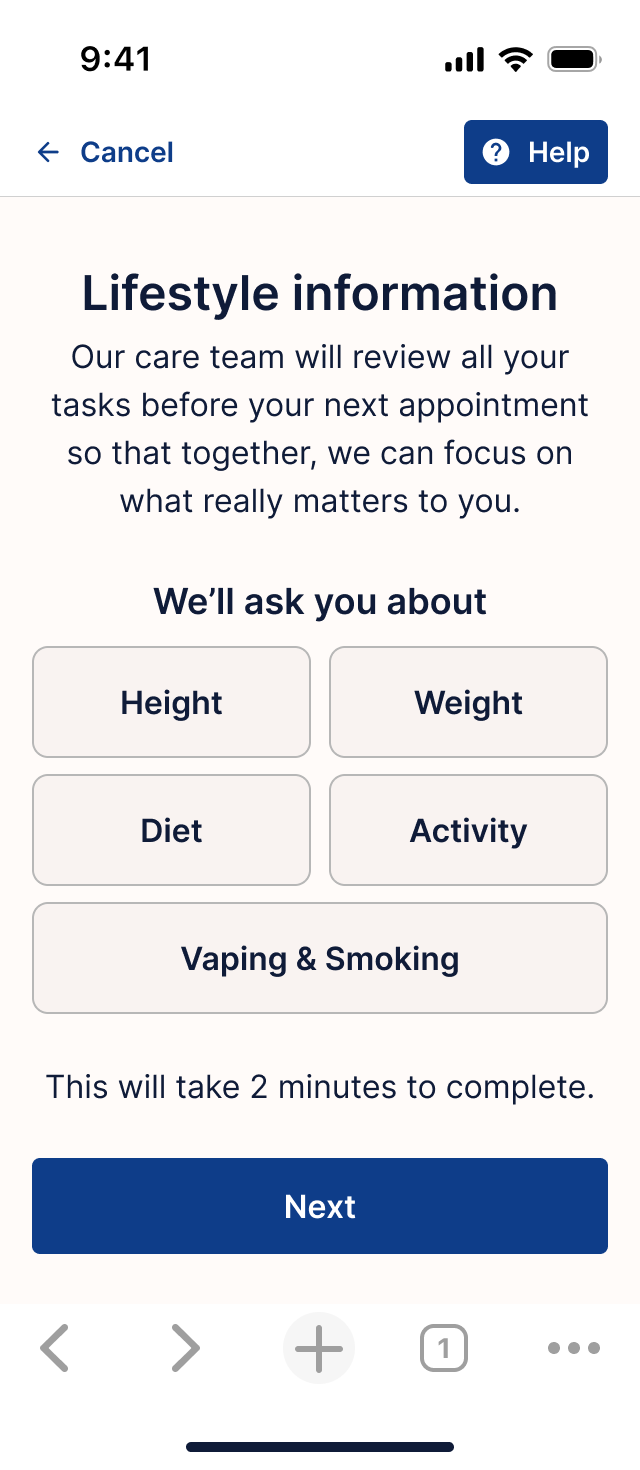
We completed two rounds of designs and testing. We created a new experience for patients to submit their information online, accommodating older users with accessible interactions and language. We also addressed various questions, from mental health to basic height and weight.
Learnings
- More context: Patients were curious around the context and why they are completing these questionnaires and how long it will take them.
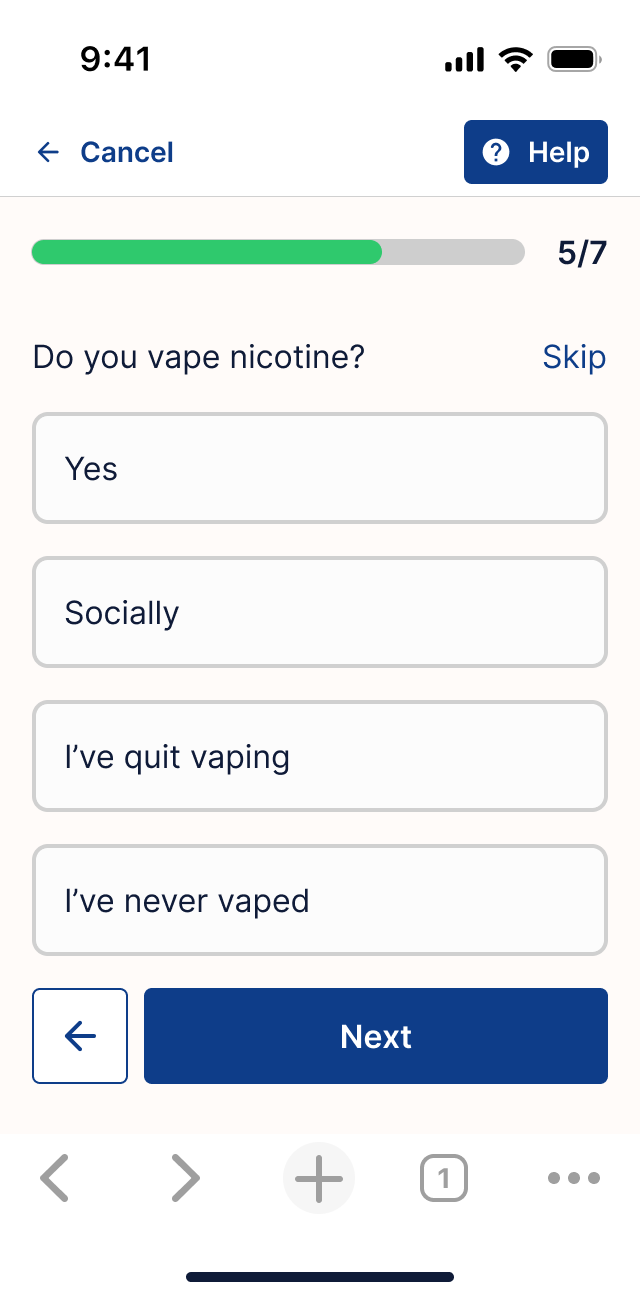
- A skip option: Some questions seemed quite contentious and hard to answer, like mental health questions and smoking questions.
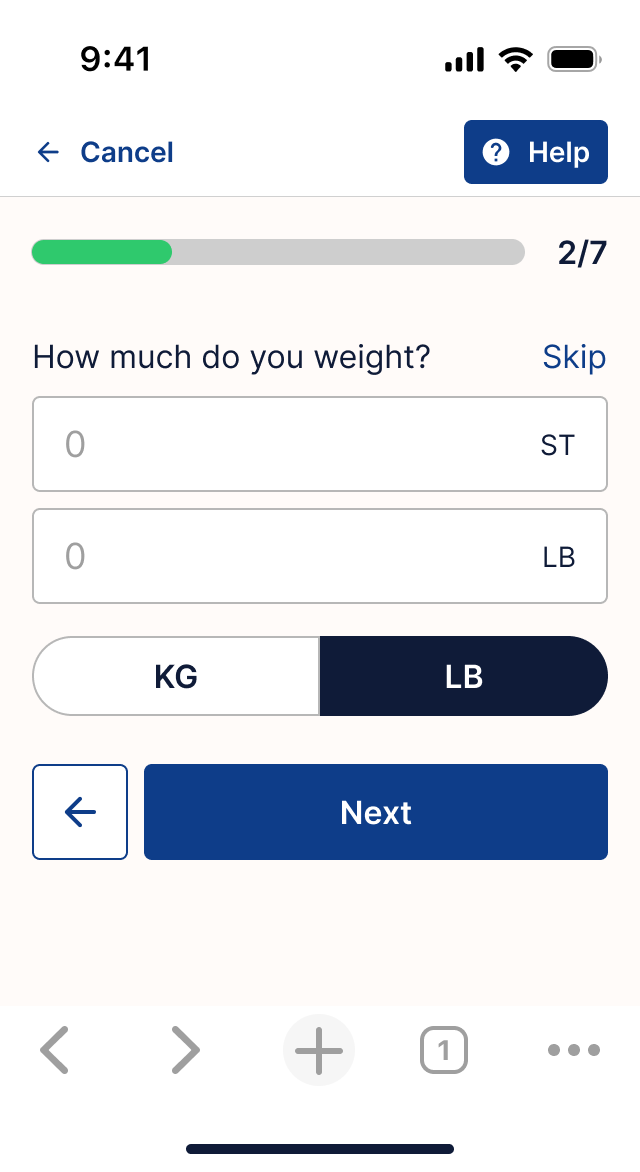
- One page per question: Multiple questions on one page meant questions were being missed.
- Compassionate: Try update our language to encourage users to answer and feel safe answering.
Accessibility
We focused a lot of our attention on accessibility to ensure that our patients could use the questionnaire freely. Based on our interviews and surveying of our patients, we learnt:
- 99% of our patients are aged 50+
- 75% have mentioned they're not the best with technology
- 95% of patient submitted information was done so through mobile so we designed mobile first and had it responsive up to desktop screens.
Full prototype video
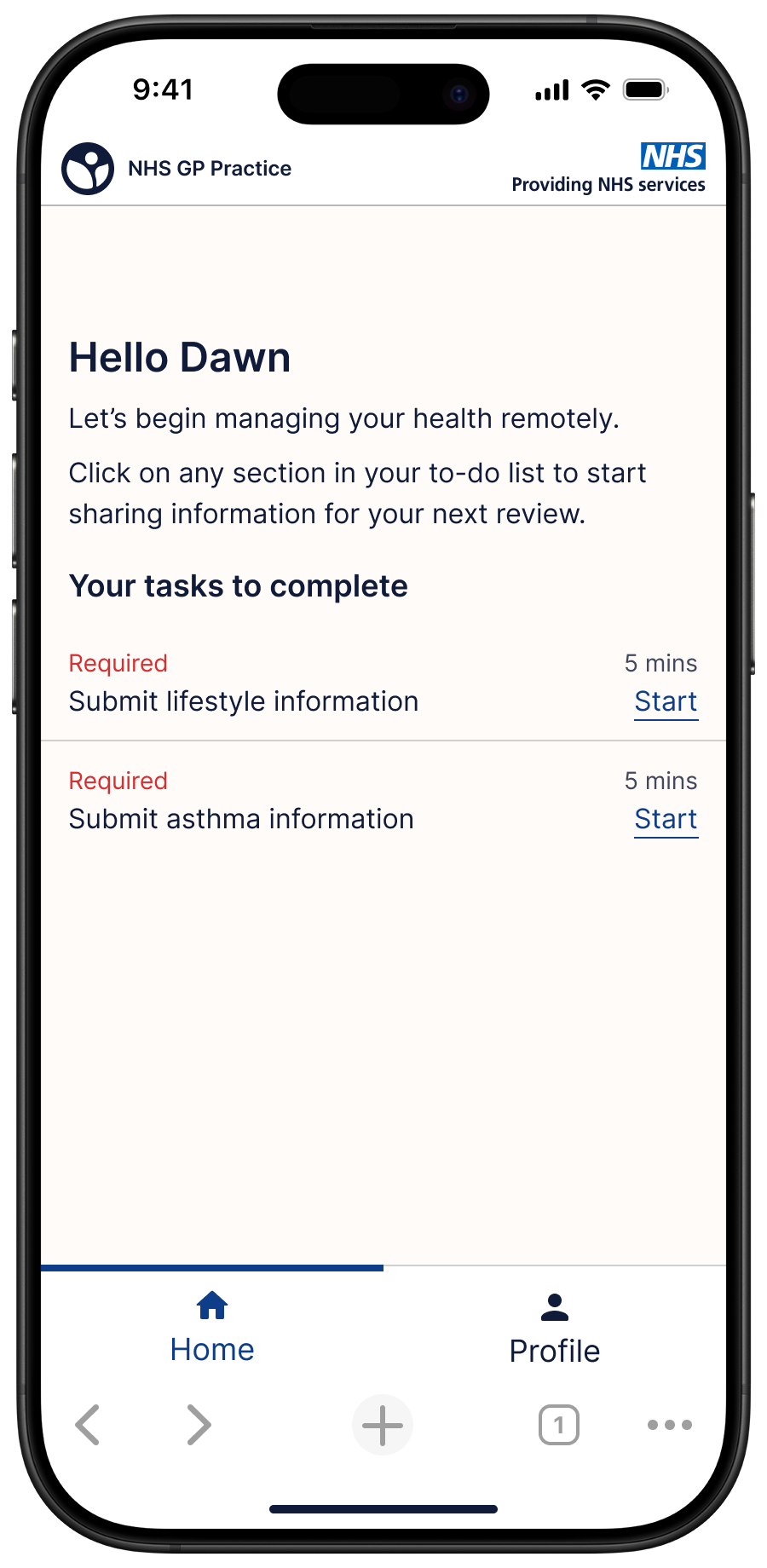
A later stage prototype of the end-to-end questionnaire process
outcomes
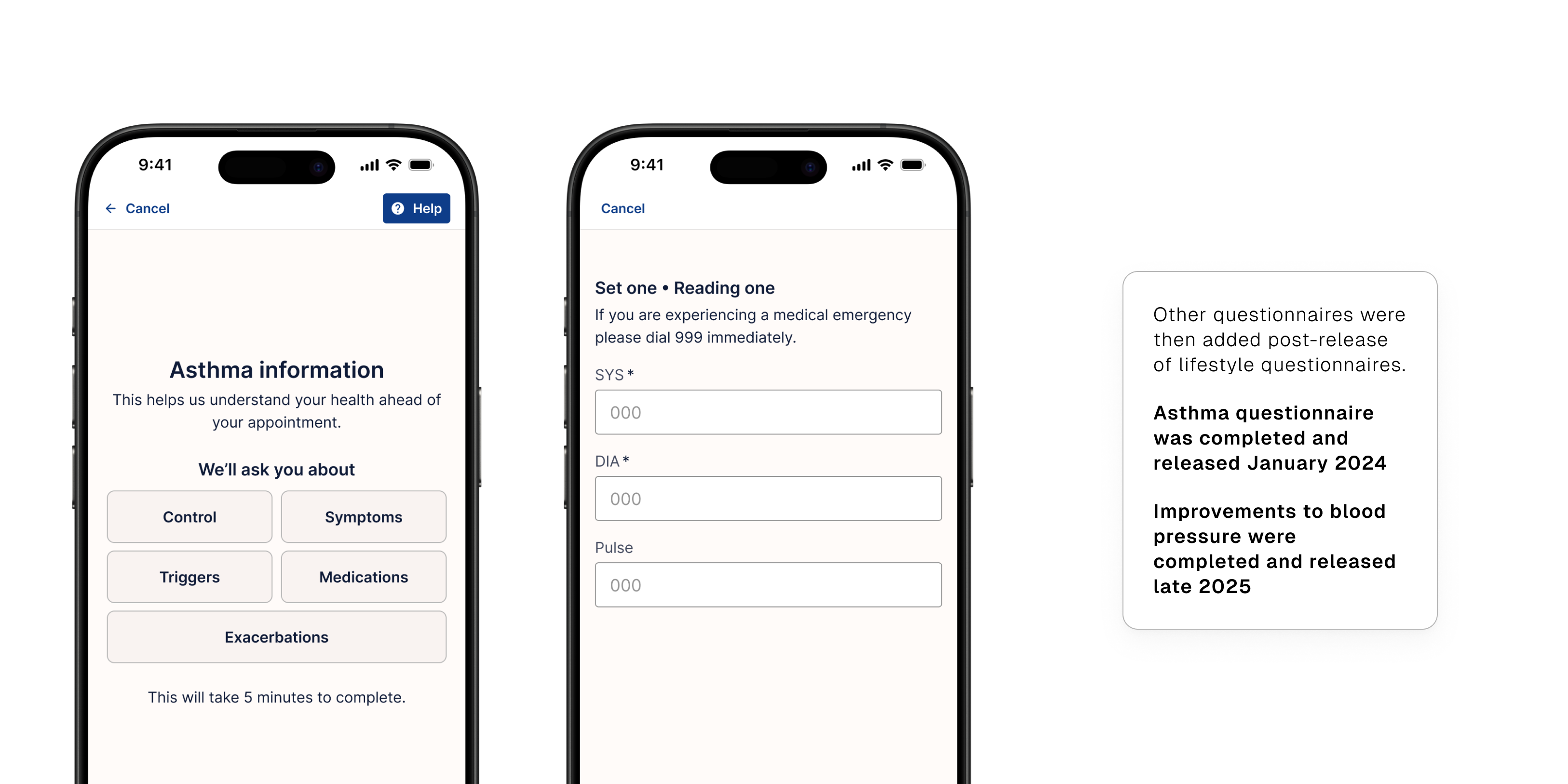
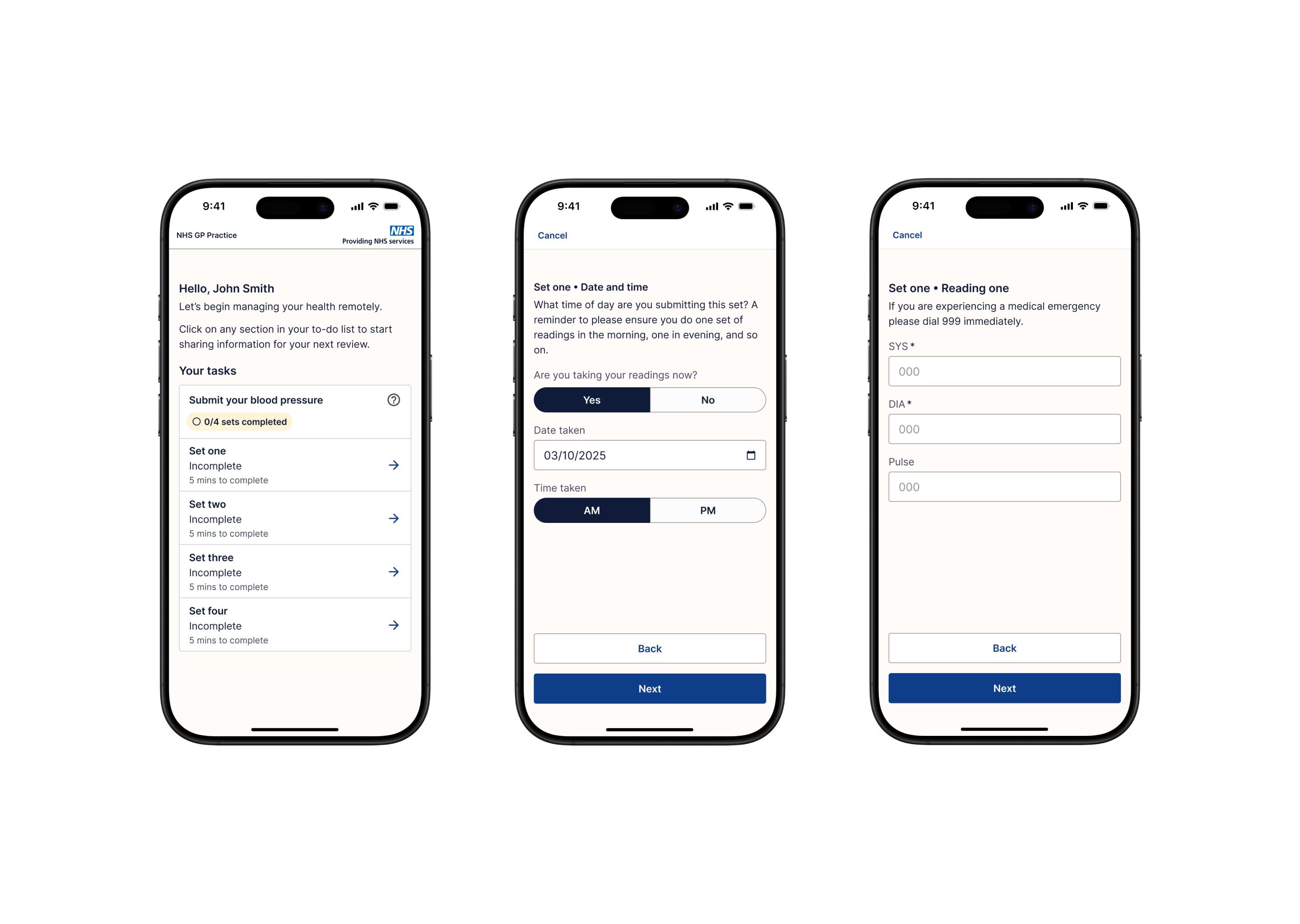
We enabled patients to submit lifestyle info from home, but we learned a few lessons from testing. First, some questions prevented completion like those around mental health. Secondly, our content designer mentioned improving how we phrase questions, especially regarding smoking, diet, and alcohol, to be more empathetic.
Our patient experience was designed responsively so our patients can submit their answers from anywhere, at any time.
Version 1 was released may 2023
Accessibility
A big part of this work involved a lot of thoughts around accessibility. With an older user base, it was crucial that we created a service that empowered them to manage their health.
AAA
compliant WCAG for all colour combinations.
9 years old
reading age (below the UK average of 10 years old)
100%
fully screen-reader compliant for web and mobile
Feedback from our patients & care team
I can add everything online, and this takes the anxiety out of visiting the clinic.
Anonymous patient
United Kingdom
What a great update! Customizable patient demeanors... woo! I'm so excited to use software that actually updates!
Amit Bhanderi
Pharmacist @ Suvera
85%
of lifestyle questionnaires submitted through web app
91%
of those patients finish and submit their questionnaire
1-min
of time saved, on average, per 10-min review
Lifestyle questionnaires
SaaS web-app Case Study • SUvera
Worldwide, patients with multiple long-term conditions tend to receive worse care than others, including lack of access to services and consultations that are not long enough to cover their conditions. These patients end up receiving fragmented care as a result, with appointments becoming a rush to the finish line. How might we free up clinician time in an appointment by providing a new way for patients to share healthcare information from home?
Product discovery
User testing
User experience
UI design
the problem
Our care team spends the first minutes of each appointment confirming details like smoking status and activity levels. These questions often take longer than allocated, causing delays for other patients. Clinicians expressed frustration with the current process for collecting lifestyle information, especially for patients over 50 with multiple conditions.
The care team at Suvera spent 80-90% of their time creating, or participating in, phone call appointments with patients. As part of this project we explored how we might provide effective and efficient care to patients with multiple conditions by preventing unnecessary calls and focusing reviews on actual conditions.
success metrics
Save time per review by at least a minute
Increase questionnaire completion rate through the web app
“Appointments go over when we have to cover lifestyle. Then we have to rush through the important stuff and I can feel the frustration with patients.”
Ajay Patel
Clinical Pharmacist
designing & testing
We completed two rounds of designs and testing. We created a new experience for patients to submit their information online, accommodating older users with accessible interactions and language. We also addressed various questions, from mental health to basic height and weight.
Learnings
- More context: Patients were curious around the context and why they are completing these questionnaires and how long it will take them.
- A skip option: Some questions seemed quite contentious and hard to answer, like mental health questions and smoking questions.
- One page per question: Multiple questions on one page meant questions were being missed.
- Compassionate: Try update our language to encourage users to answer and feel safe answering.
Accessibility
We focused a lot of our attention on accessibility to ensure that our patients could use the questionnaire freely. Based on our interviews and surveying of our patients, we learnt:
- 99% of our patients are aged 50+
- 75% have mentioned they're not the best with technology
- 95% of patient submitted information was done so through mobile so we designed mobile first and had it responsive up to desktop screens.
Full prototype video
A later stage prototype of the end-to-end questionnaire process
outcomes
We enabled patients to submit lifestyle info from home, but we learned a few lessons from testing. First, some questions prevented completion like those around mental health. Secondly, our content designer mentioned improving how we phrase questions, especially regarding smoking, diet, and alcohol, to be more empathetic.
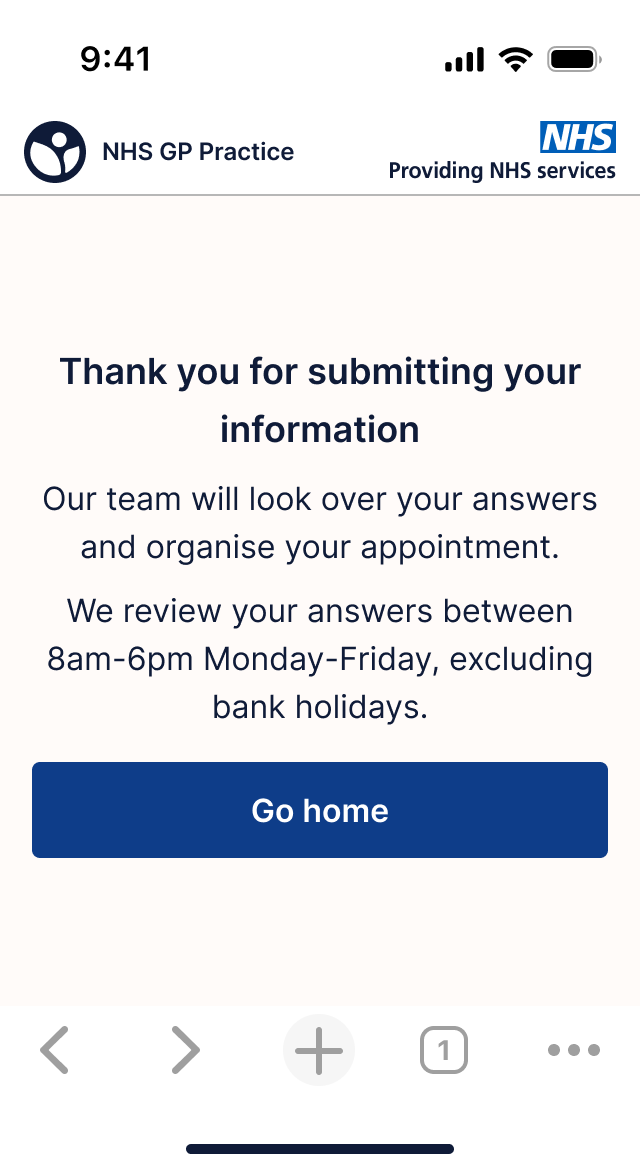
Our patient experience was designed responsively so our patients can submit their answers from anywhere, at any time.
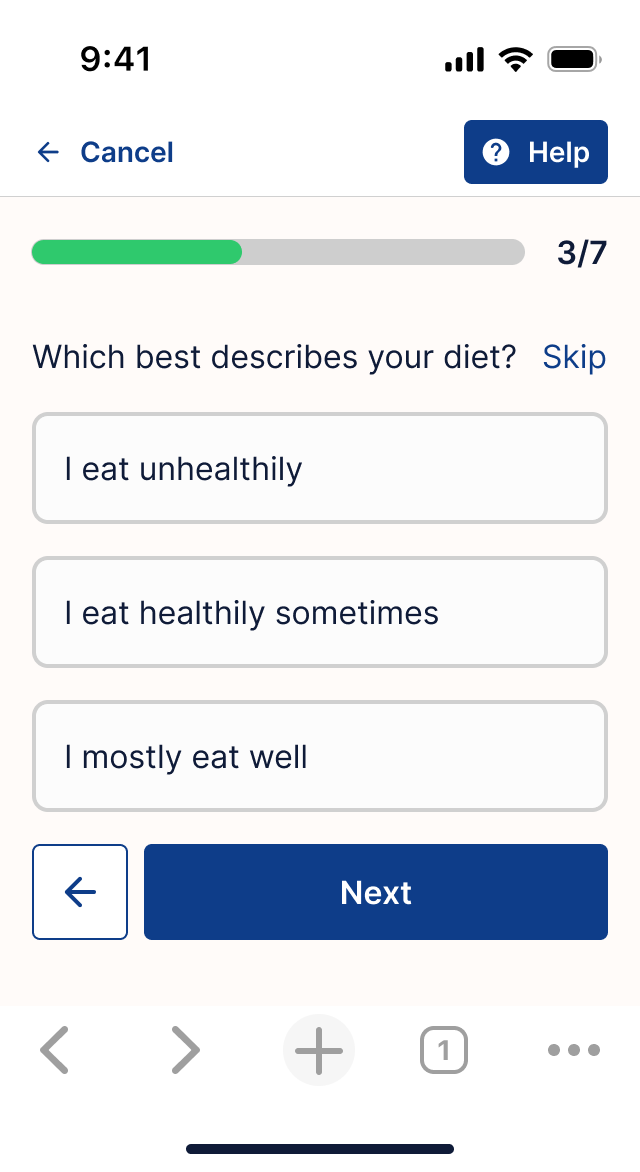
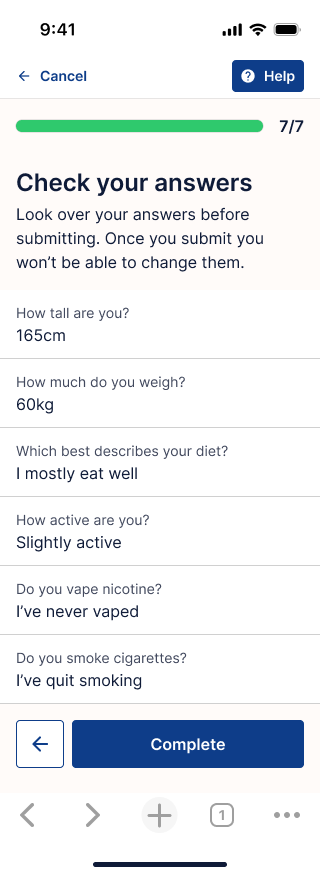
Version 1 was released may 2023
Accessibility
A big part of this work involved a lot of thoughts around accessibility. With an older user base, it was crucial that we created a service that empowered them to manage their health.
AAA
compliant WCAG for all colour combinations.
9 years old
reading age (below the UK average of 10 years old)
100%
fully screen-reader compliant for web and mobile
Feedback from our patients & care team
I can add everything online, and this takes the anxiety out of visiting the clinic.
Anonymous patient
United Kingdom
What a great update! Customizable patient demeanors... woo! I'm so excited to use software that actually updates!
Amit Bhanderi
Pharmacist @ Suvera
85%
of lifestyle questionnaires submitted through web app
91%
of those patients finish and submit their questionnaire
1-min
of time saved, on average, per 10-min review
Lifestyle questionnaires
SaaS web-app Case Study • SUvera
Worldwide, patients with multiple long-term conditions tend to receive worse care than others, including lack of access to services and consultations that are not long enough to cover their conditions. These patients end up receiving fragmented care as a result, with appointments becoming a rush to the finish line. How might we free up clinician time in an appointment by providing a new way for patients to share healthcare information from home?
Product discovery
User testing
User experience
UI design
the problem
Our care team spends the first minutes of each appointment confirming details like smoking status and activity levels. These questions often take longer than allocated, causing delays for other patients. Clinicians expressed frustration with the current process for collecting lifestyle information, especially for patients over 50 with multiple conditions.
The care team at Suvera spent 80-90% of their time creating, or participating in, phone call appointments with patients. As part of this project we explored how we might provide effective and efficient care to patients with multiple conditions by preventing unnecessary calls and focusing reviews on actual conditions.
success metrics
Save time per clinical review
Increase questionnaire completion rate through the web app
“Appointments go over when we have to cover lifestyle. Then we have to rush through the important stuff and I can feel the frustration with patients.”
ajay Patel
Clinical Pharmacist
designing & testing
We completed two rounds of designs and testing. We created a new experience for patients to submit their information online, accommodating older users with accessible interactions and language. We also addressed various questions, from mental health to basic height and weight.
Learnings
- More context: Patients were curious around the context and why they are completing these questionnaires and how long it will take them.
- A skip option: Some questions seemed quite contentious and hard to answer, like mental health questions and smoking questions.
- One page per question: Multiple questions on one page meant questions were being missed.
- Compassionate: Try update our language to encourage users to answer and feel safe answering.
Accessibility
We focused a lot of our attention on accessibility to ensure that our patients could use the questionnaire freely. Based on our interviews and surveying of our patients, we learnt:
- 99% of our patients are aged 50+
- 75% have mentioned they're not the best with technology
- 95% of patient submitted information was done so through mobile so we designed mobile first and had it responsive up to desktop screens.
Full prototype video
A later stage prototype of the end-to-end questionnaire process
outcomes
We enabled patients to submit lifestyle info from home, but we learned a few lessons from testing. First, some questions prevented completion like those around mental health. Secondly, our content designer mentioned improving how we phrase questions, especially regarding smoking, diet, and alcohol, to be more empathetic.
Our patient experience was designed responsively so our patients can submit their answers from anywhere, at any time.
Version 1 was released may 2023
Accessibility
A big part of this work involved a lot of thoughts around accessibility. With an older user base, it was crucial that we created a service that empowered them to manage their health.
AAA
compliant WCAG for all colour combinations.
9 years old
reading age (below the UK average of 10 years old)
100%
fully screen-reader compliant for web and mobile
Feedback from our patients & care team
I can add everything online, and this takes the anxiety out of visiting the clinic.
Anonymous patient
United Kingdom
It’s much easier to focus our appointments. We don’t have a lot of time for reviews so any time we can save is good!
Amit Bhanderi
Pharmacist @ Suvera
85%
of lifestyle questionnaires submitted through web app
91%
of those patients finish and submit their questionnaire
1-min
of time saved, on average, per 10-min review